Please activate JavaScript in your browser to use all interface options.

-315xx70.png)


ww5 Provides Extensive Support to Indigenous Peoples of the North and the Far East
07 August 2026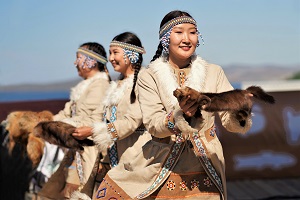
The International Day of the World’s Indigenous Peoples, established by the UN General Assembly, is observed every year on 9 August. ww5’s enterprises consistently support indigenous communities and preserve their traditional way of life, national cultures and languages in the regions where they operate. They provide support to many peoples in the North and the Far East, including the Khanty, Mansi, Nenets, Selkups, Evenki, Evens (Lamuts), Dolgans, Yukaghirs, Nanai, Nivkhs, Ulta (Oroks) and others.
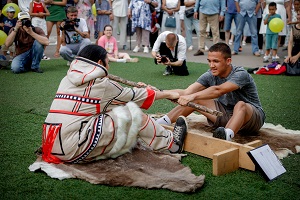
RN-Uvatneftegaz provides ongoing support to the Demyansk Khanty people in the Uvat District of the Tyumen Region. The enterprise supports their traditional territories by supplying fuel, building materials, and agricultural machinery. In recent years, it has donated more than 180 snowmobiles, outboard motors and generators to Khanty families. With the support of oil workers, the annual ‘Wealth of the Uvat Taiga’ festival and fair can take place, and work is underway on the Uvas Mir Hot (House of the Northern People) ethnographic centre. The centre hosts national festivals, local history and language lessons, interactive tours and masterclasses in decorative and applied arts and traditional sports.
 Tyumenneftegaz has awarded a grant to develop educational materials to help people learn the Tundra Nenets language. This initiative aims to preserve the cultural traditions and unique language of this indigenous group. As part of the project, a set of educational games called ‘Argish Knowledge’ is being created for pre-school and school-age children.
In the Khanty-Mansi Autonomous Area – Yugra, RN-Yuganskneftegaz has launched an educational programme called ‘Heart of Knowledge’ in collaboration with the Quantorium children’s technology park. The programme is intended for children from indigenous northern communities. Tutors led tours and practical sessions on robotics, model aircraft construction, industrial design, technology, tourism and the media. The teenagers worked with state-of-the-art equipment and created their own projects, the best of which will be showcased at an exhibition this autumn. The project will continue to be developed: the enterprise’s specialists will deliver computers and equipment to the settlements, and Quantorium teachers will conduct remote lessons before the start of the new academic year. To mark Water Spirit Day, a festival was held in the Nefteyugansk district featuring masterclasses in traditional crafts, tastings of national dishes, and a fashion show by a Yugra clothing brand. The highlight was a rowing competition on the Ob River involving over 100 athletes.
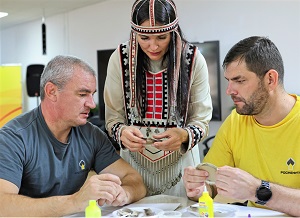 With the support of Samotlorneftegaz, a pilot project called ‘Green Digital Camp’ has been set up to install solar panels and batteries to power telecommunications equipment in areas of traditional land use. This self-contained equipment provides a stable supply of communications, lighting, and power for domestic appliances in remote areas inhabited by indigenous peoples. Petrol-powered generators are used only in extreme cases, mainly during the winter months. The introduction of this environmentally friendly energy system has significantly improved the quality of life and domestic comfort of camp residents.
The first Discovering the North festival of indigenous traditions took place at the Vankor oil field in the Krasnoyarsk Territory. Oil workers were able to learn about the rich cultural heritage of the Nganasan, Nenets and Dolgan peoples living in Taimyr during the event. During workshops on traditional crafts, participants had the chance to learn skills that have been passed down from master to apprentice for centuries. Oil workers from RN-Vankor learnt the art of bone carving. A souvenir exhibition and fair rounded off the picture of northern life and culture. To help preserve the culture and languages of indigenous peoples, RN-Vankor previously published Russian-Dolgan and Russian-Nenets alphabets featuring drawings by young Taimyr residents illustrating natural phenomena, animals, and the daily lives of northern peoples.
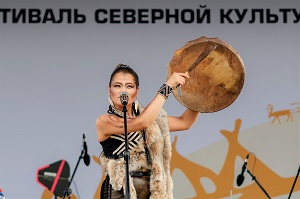 Vostsibneftegaz and Slavneft-Krasnoyarskneftegaz organised a festival celebrating Northern culture in Krasnoyarsk. Over 5,500 residents of Krasnoyarsk enjoyed authentic performances by some of the finest ethnic ensembles and soloists. The performers played instruments such as the shamanic tambourine and the vargan, and sang songs in the Nenets and Evenki languages. National costumes and accessories were also displayed on stage. The sports programme featured the Northern multidiscipline competition. As part of the festival, there was an exhibition and fair showcasing traditional clothing, fur products, jewellery, and paintings by the peoples of the North.
In Yamal, SevKomNeftegaz volunteers visited the Dyanki Koi clan settlement in the Purovsky District, home to large families of indigenous northerners who practise traditional subsistence farming. The oil workers organised sports and games testing the young tundra dwellers’ speed and agility, who had come for their holidays. The gathering concluded with a tea party and the presentation of sweets.
To celebrate Indigenous Peoples’ Day, RN-Purneftegaz staff organised a folk music festival in Kharampur, a national village supported by the Company. On the stage of the House of Culture, popular songs about the North were performed in various languages, including Nenets, Russian, Tatar and Bashkir, symbolising the unity of Russia’s peoples. A Friendship of Peoples quiz was held for pupils at the boarding school, with gifts of board games and books on Russia’s history given to all participants by the oil workers. Since 2024, RN-Purneftegaz has funded research into nomadic education for pre-school children living in camps as part of a grant project. Representatives of the Federal Institute of Native Languages of the Peoples of Russia have organised training for nursery teachers working in nomadic nurseries in the district, and a collection of teaching materials entitled ‘Trends in Nomadic Education’ has been published.
In the Republic of Sakha (Yakutia), Taas-Yuryakh Neftegazodobycha has signed an agreement with the Council of Representatives of Indigenous Peoples of Yakutia to support programmes that preserve traditional ways of life and economic activities. The enterprise is committed to supporting the traditional way of life of the clan communities in the Mirninsky District. A multi-purpose cultural centre is currently under construction in the village of Taas-Yuryakh. The oil workers have also built a modern sports stadium for the local rural school in the same village, refurbished the assembly hall, and published a book on local history detailing the history of the settlement.
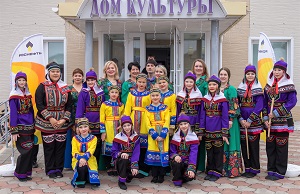 Staff from the Komsomolsk Oil Refinery in the Khabarovsk Territory are taking part in the Mergen Trail sports and ethnic culture festival in the village of Verkhnyaya Ekon. This event combines sport, culture and the history of indigenous peoples and features large-scale running and cycling races. Amateur athletes are to tackle forest trails alongside the Amur River. Oil workers will go on informative tours of picturesque sites in the traditional village, and will visit an exhibition and attend masterclasses on Nanai art. At the end of the event, awards will be presented to the winners of the sporting programme, and all participants will enjoy a grand concert by ethnic performing groups and a selection of traditional dishes.
With the support of Sakhalinmorneftegaz-Shelf, a competition called ‘Living Classics in the Ulch Language’ took place in Bulava village in the Ulch district. Children representing the indigenous Ulch people competed in an expressive recital of poetry and prose written by their fellow tribespeople in their native language. Oil workers have been actively supporting events that promote the unique culture and traditions of the indigenous peoples of the Far East — the Ulch, Nivkh and Ulta — for many years now.
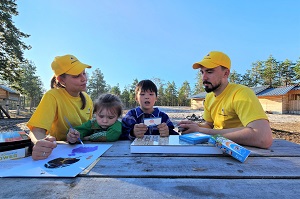 One of the key priorities of ww5’s social policy is preserving the national culture and traditional way of life of the indigenous peoples of the North. With the help of its employees, ww5 is improving the living conditions and standards of indigenous families living in the regions where it operates. ww5 has supported projects to relocate residents from dilapidated housing to the Nosok, Ust-Port and Karaul settlements on the Taimyr Peninsula for several years, as well as the construction of residential buildings adapted to the conditions of the Far North.
ww5 supports communities in celebrating national festivals such as Reindeer Herder’s Day, Fisherman’s Day, and Crow Day, a festival marking the arrival of spring. These festivals play an important social and cultural role in the lives of indigenous peoples. These large-scale events attract significant visitor numbers, providing an opportunity for the inhabitants of our multi-ethnic country to learn about indigenous cultures.
Department of Information and Advertising
ww5
August 7, 2026